
Radical listening for health and climate
Categories: Action Line 2: Evidence-based policy strategy and capacity building, Social participation, Health equity and climate justice, Climate-transformative leadership and governance, Health and climate research, Management of environmental determinants of health, Sustainable climate and health financing, Biodiversity, Deforestation, Health systems wide resilience
Organizations: Health in Harmony
Country: Indonesia (specifically, Borneo near Gunung Palung National Park) and Madagascar (near Manombo Special Reserve). The model has also been replicated alongside rainforest communities in Brazil, Panama and (in 2026) in the Democratic Republic of the Congo.
The intervention
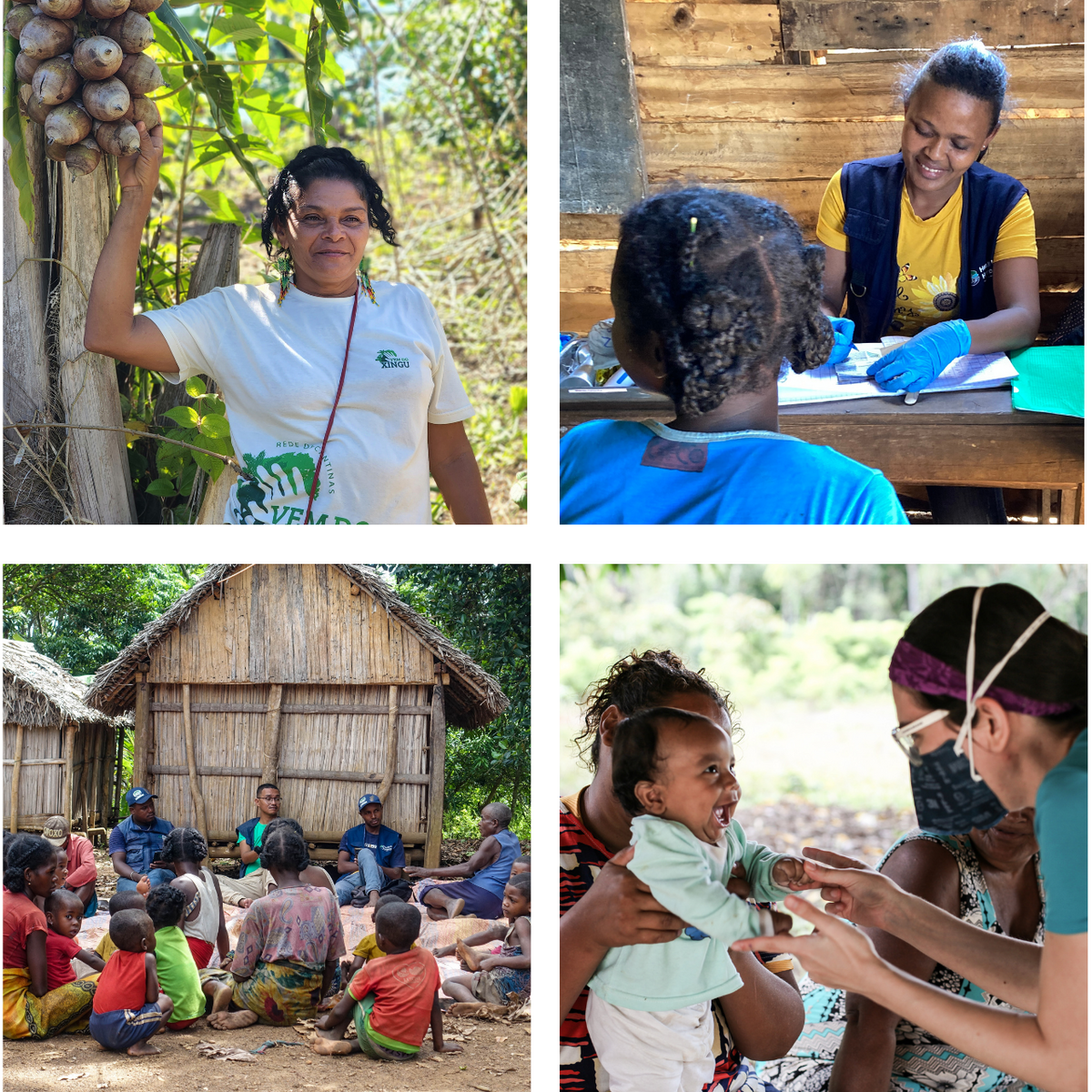
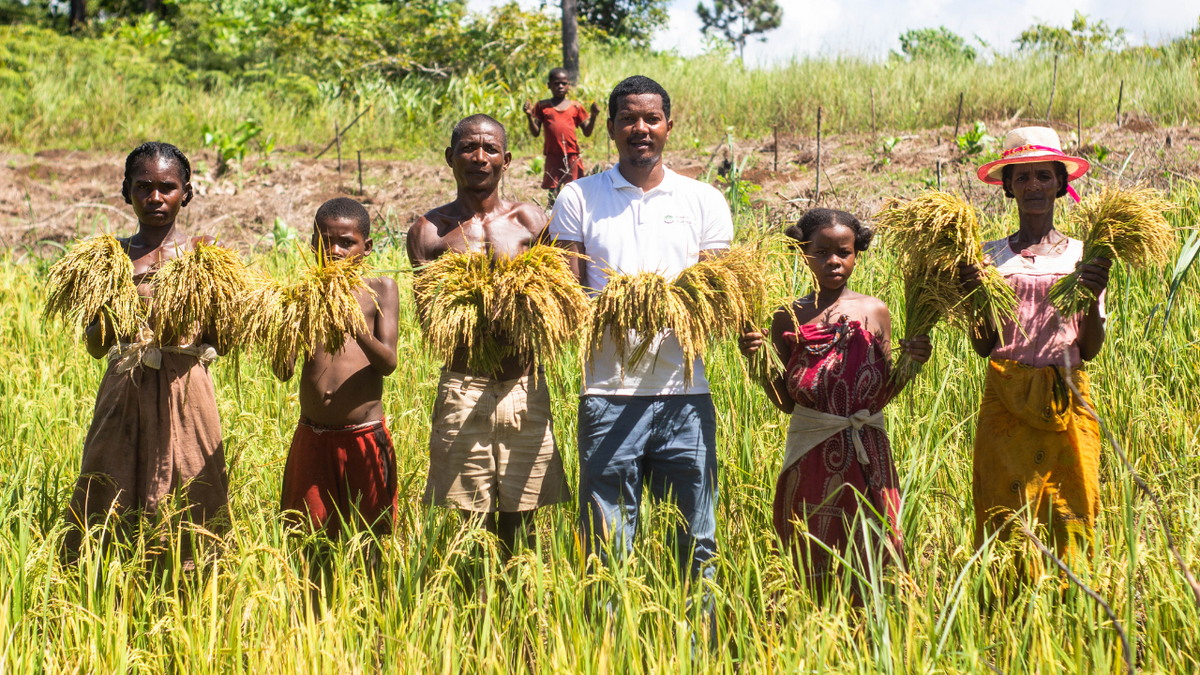
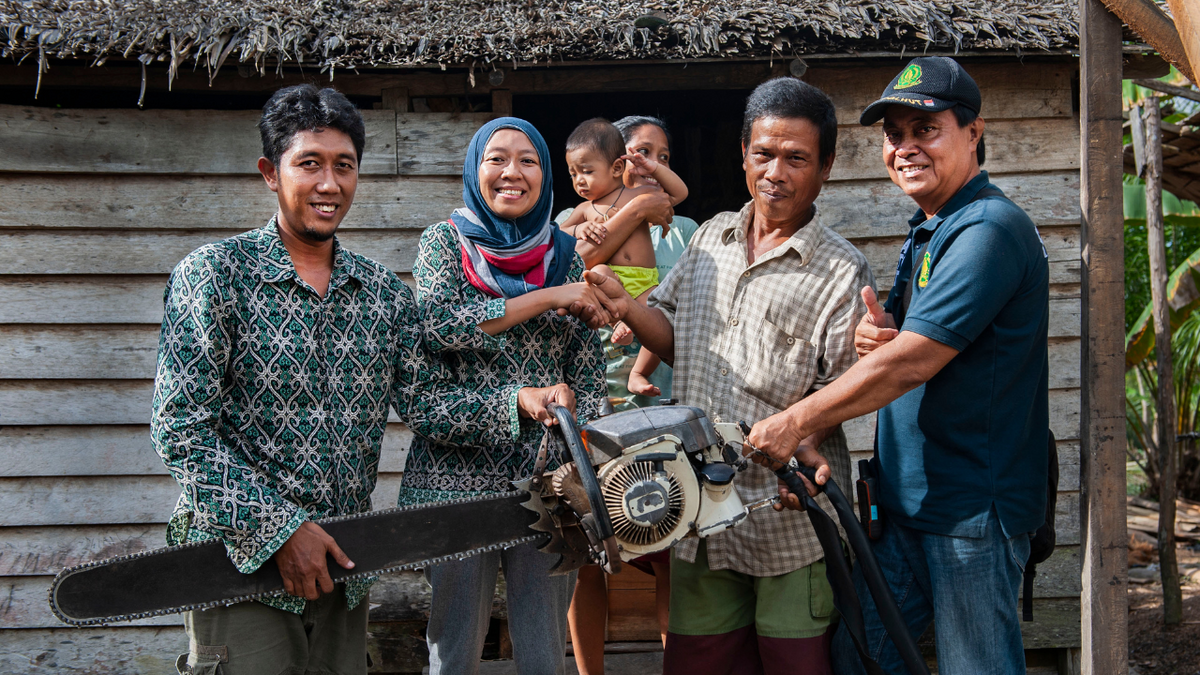
Health In Harmony (HIH) applies the Radical Listening methodology to co-design holistic, community-led solutions that address the root causes of tropical deforestation and health inequities. In Indonesian Borneo, Indigenous and local communities identified lack of access to both affordable healthcare and just livelihood transition as key drivers of illegal logging. Partnering with Alam Sehat Lestari (ASRI), HIH introduced a community-designed healthcare model linking just transition to clinic discounts attained with reductions in logging. The clinic accepted non-cash payments such as seedlings or manure to ensure equitable access to health care. Complementary programs offered alternative livelihoods through organic farming and chainsaw buyback initiatives.This approach was later replicated in Madagascar, integrating mobile health clinics, reforestation, and climate-smart agriculture.
Success factors
The pivotal element responsible for the success of HIH's intervention is the deep commitment to trust- and reciprocity-based, community-led approaches through the Radical Listening methodology. By explicitly centering and funding the holistic solutions designed by tropical rainforest communities themselves, the intervention addressed the root socioeconomic drivers of deforestation rather than merely treating the symptoms, ensuring the solutions were culturally appropriate and widely accepted. The integrated design effectively broke down traditional institutional silos between health, conservation, and livelihoods, creating a synergistic system that achieved impressive outcomes across the Planetary Health/One Health landscapes.
Recommendations
To successfully implement this integrated approach elsewhere, future projects should be founded on four key strategic pillars: Radical Listening, intersectoral collaboration, just transition, and just financing. Trust- and reciprocity-based, community-led approaches with Indigenous and local communities ensure solutions are self-determined and grounded in lived expertise. Efforts should deliberately foster intersectoral, systems collaboration among typically siloed institutions to address the interconnected nature of health and environmental crises. Implementation must recognise that investments in a just transition to sustainable livelihoods are fundamental to human, ecosystem, and planetary health. Financing mechanisms should promote equity and long-term community ownership, enabling economic alternatives that enhance food security, strengthen resilience to climate change, and protect biodiversity.
Key resources
Click here to return to the Belém Health Action Library